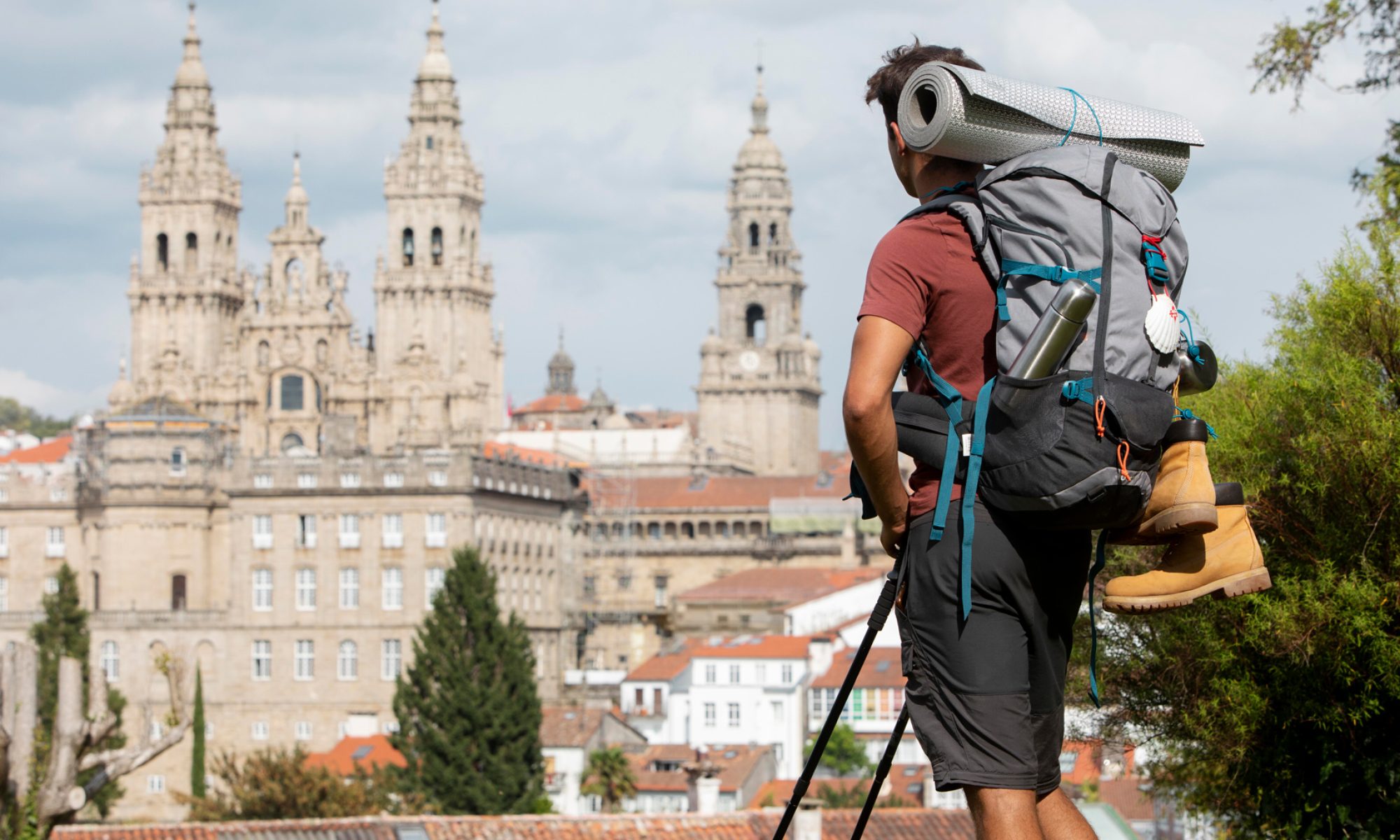

The Santiago Way is a pilgrimage that has been taking place for the last 12 centuries. People of all walks of life are intrigued and have follow The Way from the many “Caminos” that start in different parts of Europe. They follow the paths that have been built along the way by the peregrines throughout the passing of time to this very day.
You can research the historical side of the Pilgrimage by following the link for “El Camino de Santiago en Europa” a.k.a. The Camino Portugues from Oporto.
The Camino Portugues from Oporto.
This route that we will be walking will be the easiest, friendliest and fastest circuit.
The network is like a river system – small brooks join to make streams, and the streams join to make rivers. Most of which join to make the different routes of The Caminos. During the Middle Ages, people walked out of their front doors and started off to Santiago, which was how the network of paths grew. Nowadays, cheap air travel has allowed many to fly to their starting point and often to do different sections in successive years. Some people set out on the Camino for spiritual reasons; others find spiritual reasons along the Way as they meet other pilgrims, attend pilgrim masses in churches, monasteries, and cathedrals, and see the extensive infrastructure of buildings provided for pilgrims over the centuries. These days, the Peregrinos walk for many reasons making the effort worth it once you reach Santiago.
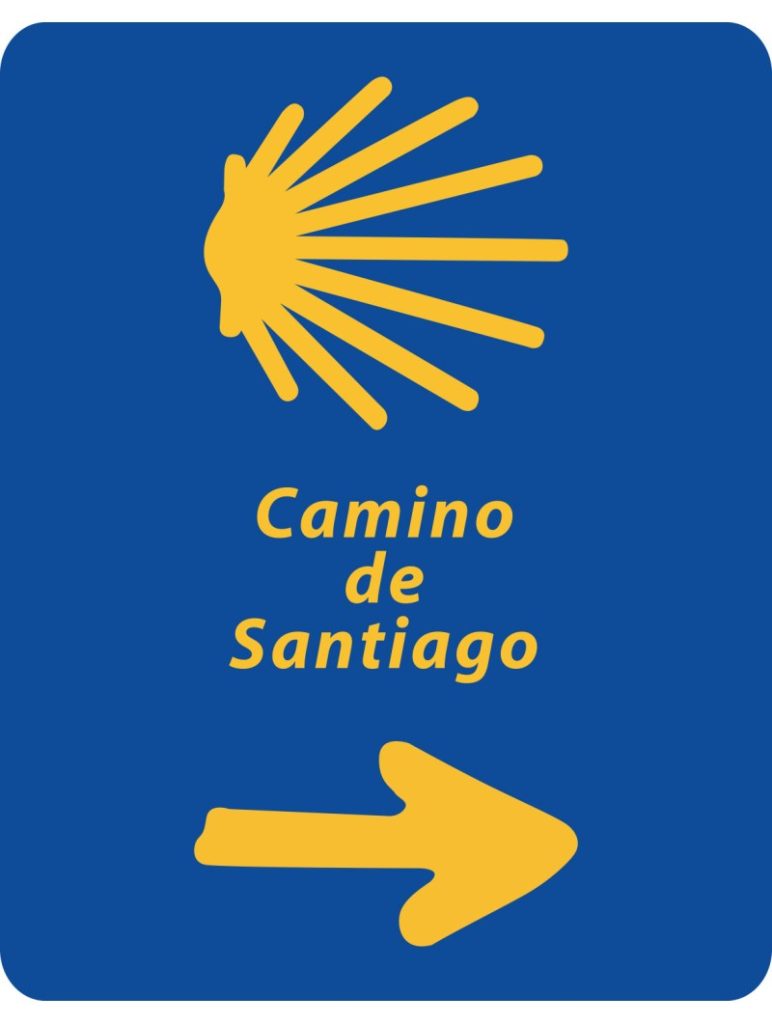
“El Camino’s Symbol”
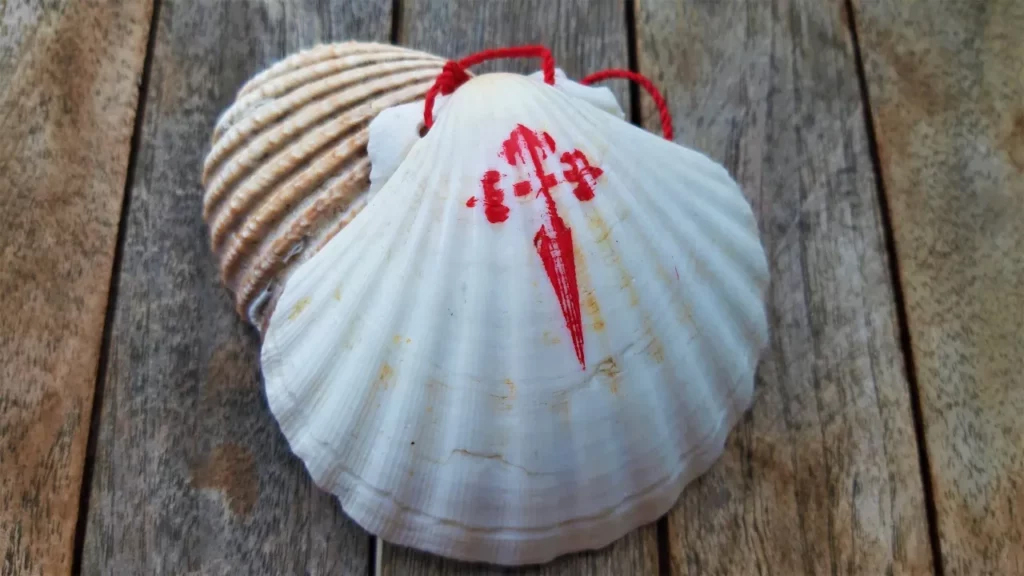
On the Camino de Santiago, the «shell» refers to a scallop shell, which is a symbolic representation of the pilgrimage itself. Signifying the journey to Santiago de Compostela, and representing protection, rebirth, and the idea that the journey is as important as the destination.